Jalapeño Shortage Causes Price Increases and Solutions 

Jalapeños are one of the most popular chili peppers in the world. They add mild heat and fresh flavor to tacos, nachos, salsa, burgers, pizzas, and countless other dishes. However, many shoppers and restaurants have recently noticed that jalapeños are harder to find or more expensive than usual. A jalapeño shortage can affect everyone, from home cooks to food manufacturers.

Why Is There a Jalapeño Shortage?

A jalapeño shortage usually happens when supply cannot keep up with demand. Several factors can contribute to lower production and higher prices.

Extreme Weather

Weather is one of the biggest reasons for a jalapeño shortage. Jalapeños grow best in warm temperatures with consistent watering. Severe droughts, heatwaves, floods, or unexpected frosts can damage crops and reduce harvests.

Farmers may lose a large portion of their fields if weather conditions become too harsh during the growing season.

Plant Diseases and Pests

Pepper plants are vulnerable to diseases such as bacterial leaf spot, phytophthora blight, and various fungal infections. Insects like aphids and pepper weevils can also damage crops.

When disease spreads across farms, growers may harvest fewer peppers than expected.

Rising Farming Costs

The cost of producing jalapeños has increased in recent years. Farmers face higher expenses for:

  • Fertilizers
  • Fuel
  • Irrigation
  • Labor
  • Packaging
  • Transportation

These increased costs often lead to higher prices in grocery stores.

How Supply Chain Problems Affect Jalapeños

Even when farms produce enough peppers, getting them to stores can be challenging.

Transportation Delays

Jalapeños are highly perishable. Shipping delays caused by fuel costs, driver shortages, or logistics problems can reduce the amount of fresh produce reaching supermarkets.

Import Challenges

Many countries import jalapeños from major producers such as Mexico. Border delays, weather events, or trade disruptions can temporarily reduce imports and tighten supply.

Why Jalapeño Prices Increase

When supplies become limited while demand remains strong, prices naturally rise.

Several reasons include:

  • Smaller harvests
  • Increased transportation costs
  • Labor shortages
  • High consumer demand
  • Reduced imports

Restaurants and food manufacturers often pay more for fresh peppers, which can eventually increase menu prices and packaged food costs.

How the Jalapeño Shortage Affects Consumers

Consumers notice the shortage in several ways.

Higher Grocery Bills

Fresh jalapeños may cost significantly more during periods of limited supply. Packaged sliced jalapeños and specialty products may also become more expensive.

Limited Availability

Some grocery stores receive smaller shipments than usual. Customers may find empty shelves or purchase limits during severe shortages.

Smaller Restaurant Portions

Restaurants that regularly use jalapeños may reduce serving sizes, substitute different peppers, or temporarily remove certain menu items.

Industries Impacted by the Jalapeño Shortage

Many businesses rely on a steady supply of jalapeños.

Restaurants

Mexican, Tex-Mex, barbecue, burger, and pizza restaurants frequently use fresh jalapeños in recipes.

Food Manufacturers

Companies producing:

  • Salsa
  • Hot sauces
  • Frozen meals
  • Snack foods
  • Pickled peppers

may experience higher production costs during shortages.
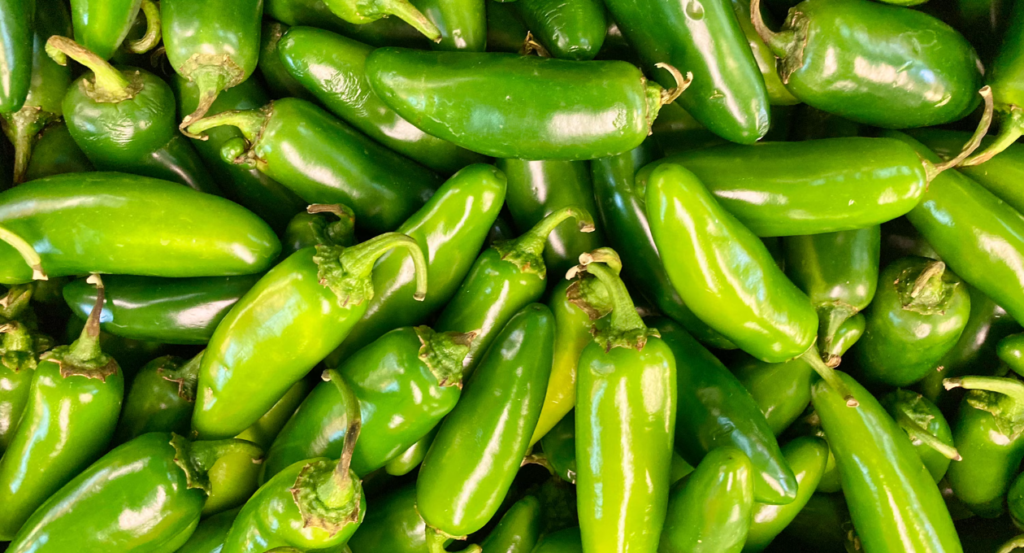
jalapeno shortage

Grocery Stores

Retailers must balance rising wholesale prices while keeping products affordable for customers.

Best Alternatives to Jalapeños

If fresh jalapeños are unavailable, several peppers can provide similar flavor or heat.

Serrano Peppers

Serranos are hotter than jalapeños but have a similar fresh taste.

Anaheim Peppers

Anaheim peppers are milder and work well in stuffed pepper recipes.

Fresno Peppers

Fresnos closely resemble jalapeños but become sweeter as they ripen.

Poblano Peppers

Poblanos have a rich flavor with very mild heat, making them suitable for many cooked dishes.

How Long Could the Jalapeño Shortage Last?

The length of a shortage depends on what caused it.

If weather temporarily reduced production, supplies often improve with the next growing season.

However, shortages caused by prolonged drought, disease outbreaks, or ongoing transportation problems may last several months.

Agricultural markets usually recover as farmers increase planting and weather conditions improve.

Tips for Shopping During a Jalapeño Shortage

Consumers can reduce the impact of shortages by following a few simple strategies.

Buy Seasonal Produce

Shopping during peak harvest periods often provides better prices and fresher peppers.

Freeze Extra Jalapeños

Fresh jalapeños freeze well after washing and slicing, allowing you to store them for future meals.

Try Local Farmers Markets

Local growers sometimes have fresh peppers even when large grocery stores face shortages.

Be Flexible

Trying similar peppers can help maintain flavor while reducing reliance on one specific variety.

Will Jalapeño Supplies Return to Normal?

Yes. Most produce shortages are temporary.

Farmers continually adjust planting schedules, improve irrigation methods, and adopt better disease management practices. As harvests recover and transportation improves, grocery store inventories generally return to normal.

Consumers can expect prices to stabilize once supply catches up with demand.

Conclusion

A jalapeño shortage is usually caused by a combination of weather problems, crop diseases, rising farming expenses, and supply chain disruptions. These factors reduce available supplies and increase prices for consumers and businesses alike.

Fortunately, produce shortages are rarely permanent. As growing conditions improve and new harvests reach the market, jalapeño availability typically recovers. In the meantime, shoppers can explore alternative peppers, buy from local growers, and preserve extra peppers when prices become more affordable.

Faqs

Why are jalapeños so expensive?

Prices increase when harvests are smaller, production costs rise, or transportation disruptions reduce available supply.

Is the jalapeño shortage permanent?

No. Most shortages are temporary and improve as new crops are harvested.

Which pepper is the best substitute for jalapeños?

Serrano, Fresno, Anaheim, and poblano peppers are among the best alternatives, depending on your preferred heat level.

Can weather cause a jalapeño shortage?

Yes. Drought, excessive rainfall, heatwaves, and frost can all reduce pepper production.

Can I freeze fresh jalapeños?

Yes. Wash, dry, slice, and freeze them in airtight bags for long-term storage while maintaining good quality.

Jalapeños are one of the most popular chili peppers in the world. They add mild heat and fresh flavor to tacos, nachos, salsa, burgers, pizzas, and countless other dishes. However, many shoppers and restaurants have recently noticed that jalapeños are harder to find or more expensive than usual. A jalapeño shortage can affect everyone, from home cooks to food manufacturers.

Why Is There a Jalapeño Shortage?

A jalapeño shortage usually happens when supply cannot keep up with demand. Several factors can contribute to lower production and higher prices.

Extreme Weather

Weather is one of the biggest reasons for a jalapeño shortage. Jalapeños grow best in warm temperatures with consistent watering. Severe droughts, heatwaves, floods, or unexpected frosts can damage crops and reduce harvests.

Farmers may lose a large portion of their fields if weather conditions become too harsh during the growing season.

Plant Diseases and Pests

Pepper plants are vulnerable to diseases such as bacterial leaf spot, phytophthora blight, and various fungal infections. Insects like aphids and pepper weevils can also damage crops.

When disease spreads across farms, growers may harvest fewer peppers than expected.

Rising Farming Costs

The cost of producing jalapeños has increased in recent years. Farmers face higher expenses for:

  • Fertilizers
  • Fuel
  • Irrigation
  • Labor
  • Packaging
  • Transportation

These increased costs often lead to higher prices in grocery stores.

How Supply Chain Problems Affect Jalapeños

Even when farms produce enough peppers, getting them to stores can be challenging.

Transportation Delays

Jalapeños are highly perishable. Shipping delays caused by fuel costs, driver shortages, or logistics problems can reduce the amount of fresh produce reaching supermarkets.

Import Challenges

Many countries import jalapeños from major producers such as Mexico. Border delays, weather events, or trade disruptions can temporarily reduce imports and tighten supply.

Why Jalapeño Prices Increase

When supplies become limited while demand remains strong, prices naturally rise.

Several reasons include:

  • Smaller harvests
  • Increased transportation costs
  • Labor shortages
  • High consumer demand
  • Reduced imports

Restaurants and food manufacturers often pay more for fresh peppers, which can eventually increase menu prices and packaged food costs.

How the Jalapeño Shortage Affects Consumers

Consumers notice the shortage in several ways.

Higher Grocery Bills

Fresh jalapeños may cost significantly more during periods of limited supply. Packaged sliced jalapeños and specialty products may also become more expensive.

Limited Availability

Some grocery stores receive smaller shipments than usual. Customers may find empty shelves or purchase limits during severe shortages.

Smaller Restaurant Portions

Restaurants that regularly use jalapeños may reduce serving sizes, substitute different peppers, or temporarily remove certain menu items.

Industries Impacted by the Jalapeño Shortage

Many businesses rely on a steady supply of jalapeños.

Restaurants

Mexican, Tex-Mex, barbecue, burger, and pizza restaurants frequently use fresh jalapeños in recipes.

Food Manufacturers

Companies producing:

  • Salsa
  • Hot sauces
  • Frozen meals
  • Snack foods
  • Pickled peppers

may experience higher production costs during shortages.

jalapeno shortage

Grocery Stores

Retailers must balance rising wholesale prices while keeping products affordable for customers.

Best Alternatives to Jalapeños

If fresh jalapeños are unavailable, several peppers can provide similar flavor or heat.

Serrano Peppers

Serranos are hotter than jalapeños but have a similar fresh taste.

Anaheim Peppers

Anaheim peppers are milder and work well in stuffed pepper recipes.

Fresno Peppers

Fresnos closely resemble jalapeños but become sweeter as they ripen.

Poblano Peppers

Poblanos have a rich flavor with very mild heat, making them suitable for many cooked dishes.

How Long Could the Jalapeño Shortage Last?

The length of a shortage depends on what caused it.

If weather temporarily reduced production, supplies often improve with the next growing season.

However, shortages caused by prolonged drought, disease outbreaks, or ongoing transportation problems may last several months.

Agricultural markets usually recover as farmers increase planting and weather conditions improve.

Tips for Shopping During a Jalapeño Shortage

Consumers can reduce the impact of shortages by following a few simple strategies.

Buy Seasonal Produce

Shopping during peak harvest periods often provides better prices and fresher peppers.

Freeze Extra Jalapeños

Fresh jalapeños freeze well after washing and slicing, allowing you to store them for future meals.

Try Local Farmers Markets

Local growers sometimes have fresh peppers even when large grocery stores face shortages.

Be Flexible

Trying similar peppers can help maintain flavor while reducing reliance on one specific variety.

Will Jalapeño Supplies Return to Normal?

Yes. Most produce shortages are temporary.

Farmers continually adjust planting schedules, improve irrigation methods, and adopt better disease management practices. As harvests recover and transportation improves, grocery store inventories generally return to normal.

Consumers can expect prices to stabilize once supply catches up with demand.

Conclusion

A jalapeño shortage is usually caused by a combination of weather problems, crop diseases, rising farming expenses, and supply chain disruptions. These factors reduce available supplies and increase prices for consumers and businesses alike.

Fortunately, produce shortages are rarely permanent. As growing conditions improve and new harvests reach the market, jalapeño availability typically recovers. In the meantime, shoppers can explore alternative peppers, buy from local growers, and preserve extra peppers when prices become more affordable.

Faqs

Why are jalapeños so expensive?

Prices increase when harvests are smaller, production costs rise, or transportation disruptions reduce available supply.

Is the jalapeño shortage permanent?

No. Most shortages are temporary and improve as new crops are harvested.

Which pepper is the best substitute for jalapeños?

Serrano, Fresno, Anaheim, and poblano peppers are among the best alternatives, depending on your preferred heat level.

Can weather cause a jalapeño shortage?

Yes. Drought, excessive rainfall, heatwaves, and frost can all reduce pepper production.

Can I freeze fresh jalapeños?

Yes. Wash, dry, slice, and freeze them in airtight bags for long-term storage while maintaining good quality.

More from author

LEAVE A REPLY

Please enter your comment!
Please enter your name here

Related posts

Advertismentspot_img

Latest posts

Want to stay up to date with the latest news?

We would love to hear from you! Please fill in your details and we will stay in touch. It's that simple!