



Introduction to Vinyl Floor Lifting
Vinyl flooring is loved for its durability, affordability, and stylish designs. But what happens when your once-sleek vinyl floor starts bubbling, curling, or lifting off the ground? Yep—vinyl floor lifting can quickly turn from a small annoyance into a big headache if ignored.
Let’s break it all down in plain English and figure out why it happens, how to fix it, and—most importantly—how to stop it from happening again.
What Is Vinyl Flooring?
Vinyl flooring is a synthetic flooring material made primarily from PVC. It’s designed to mimic natural materials like wood or stone while being easier to maintain and more budget-friendly. From kitchens to bathrooms, vinyl fits almost anywhere.
What Does Vinyl Floor Lifting Mean?
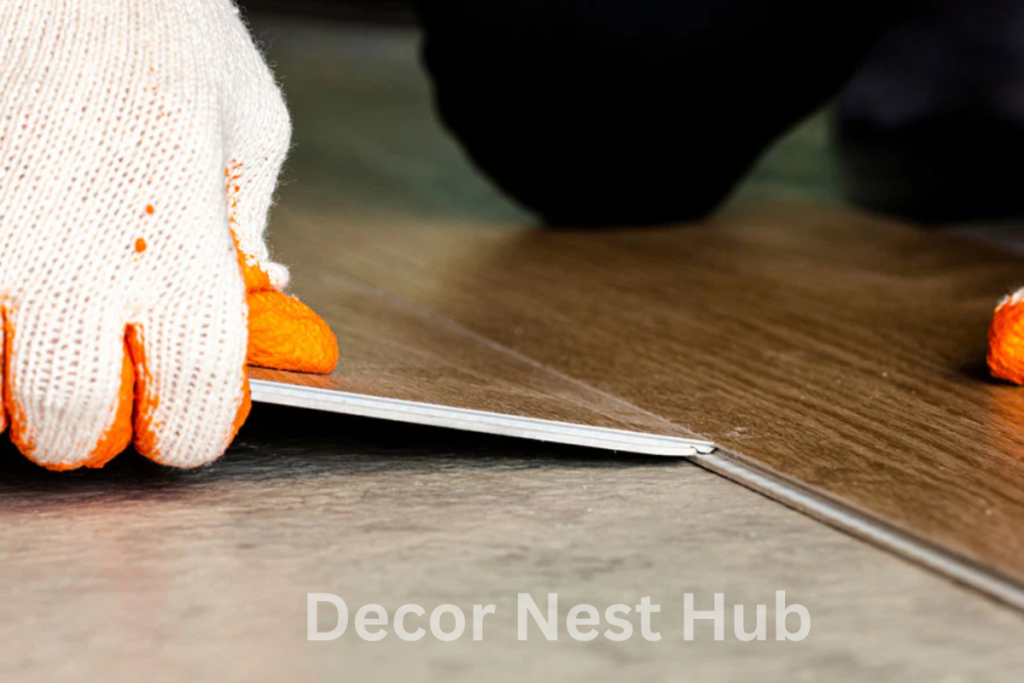
Vinyl floor lifting happens when parts of the flooring detach from the subfloor. This can show up as bubbles, ripples, or edges lifting upward. Think of it like wallpaper peeling off a wall—it’s usually a sign something underneath isn’t right.
Common Signs of Vinyl Floor Lifting
Visible Bubbles and Blisters
If your floor looks like it has air pockets trapped underneath, that’s a classic sign. These bubbles may start small but can spread quickly.
Edges Curling Up
Notice corners or seams curling upward? That’s vinyl lifting’s way of waving a red flag.
Uneven or Spongy Feeling
When walking across the floor feels soft or bouncy, it usually means the vinyl has separated from the subfloor below.
Main Causes of Vinyl Floor Lifting
Moisture and Water Damage
Moisture is vinyl flooring’s biggest enemy—even water-resistant vinyl has its limits.
Plumbing Leaks
Hidden leaks under sinks, dishwashers, or washing machines can slowly seep into the subfloor, breaking down adhesive over time.
High Humidity Levels
Excess humidity can cause the vinyl and subfloor to expand, leading to lifting when things dry out again.
Poor Installation Practices
A bad installation job is like building a house on sand—it won’t last.
Incorrect Adhesive Use
Using too little adhesive, the wrong type, or allowing it to dry too long before laying vinyl can cause bonding failure.
Improper Subfloor Preparation
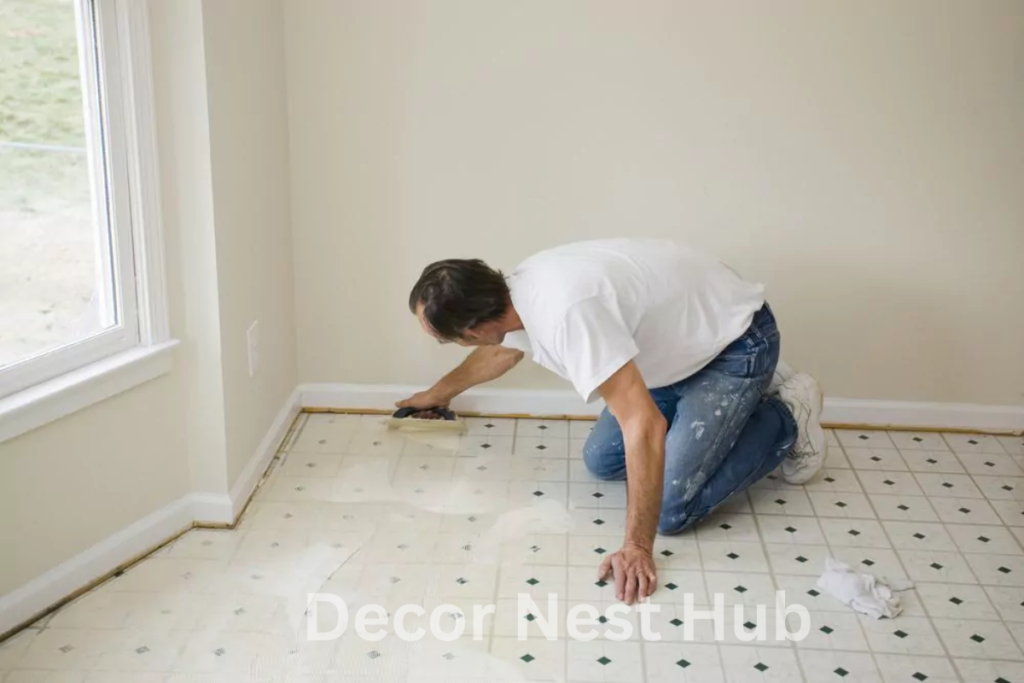
Dust, moisture, uneven surfaces, or old adhesive residue can prevent vinyl from sticking properly.
Temperature Fluctuations
Vinyl expands when warm and contracts when cold. Extreme or rapid temperature changes can force the flooring to lift if expansion gaps weren’t left during installation.
Heavy Furniture and Traffic
Constant pressure from heavy furniture or high foot traffic can loosen adhesive over time, especially in floating vinyl floors.
Vinyl Floor Lifting in Different Areas
Vinyl Floor Lifting in Kitchens
Kitchens deal with spills, steam, and appliances—all moisture sources. A small dishwasher leak can cause big flooring problems.
Vinyl Floor Lifting in Bathrooms
Bathrooms are moisture central. Poor ventilation and standing water are common culprits behind lifted vinyl.
Vinyl Floor Lifting in Basements
Basements often have higher humidity and concrete subfloors, making moisture control absolutely critical.
Types of Vinyl Flooring and Lifting Risks
Sheet Vinyl
Sheet vinyl is more prone to bubbling because it’s installed in large continuous sections. Any trapped moisture can spread fast.
Luxury Vinyl Plank (LVP)
LVP is more forgiving but still vulnerable, especially floating floors that weren’t given enough expansion space.
Vinyl Tiles
Tiles may lift individually, often due to adhesive failure or subfloor movement.
How to Fix Vinyl Floor Lifting
DIY Fixes for Minor Lifting
Small issues can sometimes be fixed without tearing everything out.
Reapplying Adhesive
Carefully lift the affected area, apply fresh adhesive, press firmly, and weigh it down until dry.
Flattening with Heat
Using a hair dryer or heat gun (carefully!) can soften vinyl enough to smooth it back into place.
When to Call a Professional
If moisture damage is widespread or the subfloor is compromised, it’s time to call in the pros. Fixing the surface without solving the root problem is like putting a bandage on a broken bone.
Cost of Repair vs Replacement
Minor repairs may cost very little, while full replacement can be pricier. However, replacing damaged flooring is often cheaper long-term than repeated repairs.
Preventing Vinyl Floor Lifting
Proper Installation Tips
Always follow manufacturer guidelines, use the correct adhesive, and allow vinyl to acclimate before installation.
Controlling Moisture and Humidity
Use dehumidifiers, exhaust fans, and fix leaks immediately. Moisture control is non-negotiable.
Choosing the Right Vinyl Flooring
Select vinyl designed for the specific room. Waterproof or rigid-core vinyl works best in moisture-prone areas.
Long-Term Maintenance Tips
Cleaning Dos and Don’ts
Avoid soaking floors with water. Damp mopping is enough. Harsh chemicals can weaken adhesive over time.
Protecting Floors from Damage
Use furniture pads, avoid dragging heavy items, and maintain stable indoor temperatures.
Myths About Vinyl Floor Lifting
“Vinyl Floors Are Waterproof Forever”
Water-resistant doesn’t mean invincible. Prolonged moisture exposure will still cause damage.
“Lifting Means Poor Quality Flooring”
Not true. Even premium vinyl can lift if installed incorrectly or exposed to moisture.
Conclusion
Vinyl floor lifting might look scary, but it’s usually a symptom—not the disease. Whether it’s moisture, poor installation, or temperature changes, understanding the cause is half the battle. With the right fix and a few preventive steps, your vinyl floors can stay flat, beautiful, and trouble-free for years. Think of it like car maintenance—ignore the warning signs, and you’ll pay more later.
FAQs
Why is my vinyl floor lifting in the middle?
This usually points to trapped moisture, adhesive failure, or subfloor issues beneath that area.
Can vinyl floor lifting be fixed without replacing the floor?
Yes, minor lifting can often be repaired with adhesive or heat if caught early.
Does humidity really affect vinyl flooring?
Absolutely. High humidity can cause expansion and contraction, leading to lifting.
Is vinyl floor lifting covered by warranty?
It depends. Many warranties exclude damage caused by moisture or improper installation.
How long should vinyl flooring last without issues?
With proper installation and care, vinyl flooring can last 15–25 years or more.
Our Recent Article : Stunning Console Table with Mirror Ideas for Cozy Nests