



Introduction to Thermal Curtain Fabric
Ever noticed how your room feels icy in winter and unbearably warm in summer, even with the curtains drawn? That’s where thermal curtain fabric steps in like a quiet superhero. It looks like a normal curtain, but behind the scenes, it’s working hard to keep your indoor temperature just right.
What Is Thermal Curtain Fabric?
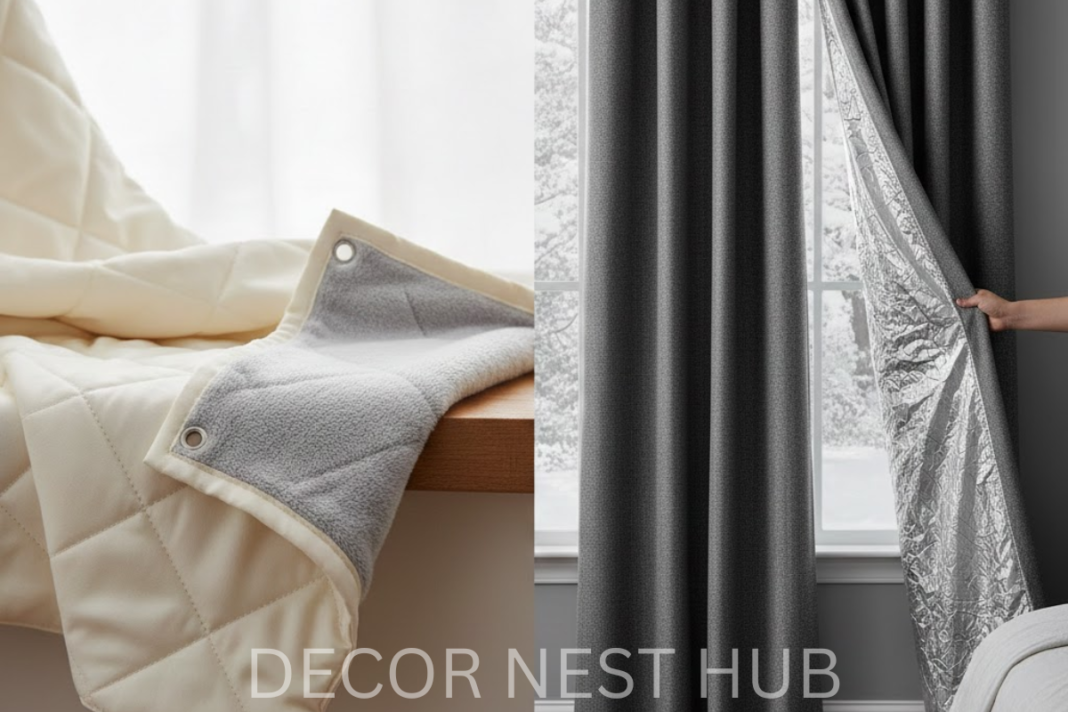
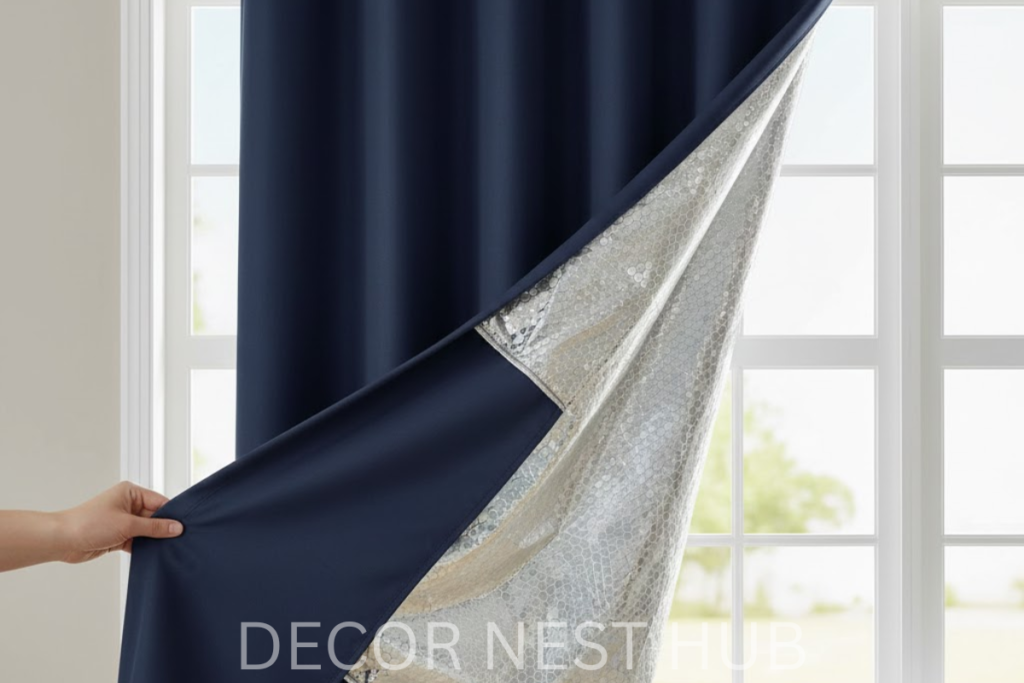
Thermal curtain fabric is a specially designed material that helps regulate indoor temperature by reducing heat transfer through windows. It usually features multiple layers, including a dense fabric face and a thermal lining or backing that acts as an insulating barrier.
Think of it as a cozy jacket for your windows—keeping warmth in during winter and blocking heat out during summer.
Why Thermal Curtains Are Gaining Popularity
With rising energy bills and growing awareness about sustainability, homeowners are turning to smarter solutions. Thermal curtains offer an affordable, stylish, and practical way to improve energy efficiency without major renovations.
How Thermal Curtain Fabric Works
The Science Behind Thermal Insulation
Windows are one of the biggest sources of heat loss and gain in any building. Thermal curtain fabric works by trapping a layer of air between the curtain and the window, which slows down heat transfer.
Heat Retention in Winter
During colder months, thermal fabrics prevent warm indoor air from escaping through the glass. The dense layers act like a shield, keeping your room warmer for longer.
Heat Reflection in Summer
In summer, the same fabric reflects external heat away from the room. Some thermal curtains even have reflective coatings that bounce sunlight back, helping maintain a cooler indoor environment.
Types of Thermal Curtain Fabric
Polyester Thermal Curtains
Polyester is the most common choice. It’s durable, affordable, and easy to maintain. Most ready-made thermal curtains use polyester with a thermal backing.
Cotton-Blend Thermal Curtains
Cotton blends offer a softer, more natural look. While not as heavy as polyester, they still provide decent insulation when paired with a quality lining.
Velvet and Heavy Fabric Options
Velvet thermal curtains are luxurious and highly effective. Their thick pile naturally insulates, making them ideal for colder climates and elegant interiors.
Foam-Backed Thermal Fabrics
Foam-backed fabrics include an extra insulating layer bonded to the curtain. These are excellent for maximum energy efficiency and often provide blackout benefits as well.
Key Features of High-Quality Thermal Curtain Fabric
Multi-Layer Construction
The more layers, the better the insulation. High-quality thermal curtains often include a decorative outer layer, an insulating middle layer, and a protective backing.
Blackout and Light-Blocking Properties
Many thermal curtain fabrics double as blackout curtains, blocking up to 99% of light. Perfect for bedrooms and home theaters.
Noise Reduction Benefits
Thick thermal fabrics also absorb sound, reducing outside noise. It’s not soundproofing, but it definitely helps create a quieter space.
Moisture and Draft Control
Thermal curtains reduce drafts and help manage condensation on windows, especially in older homes.
Benefits of Using Thermal Curtain Fabric
Improved Energy Efficiency
By minimizing heat loss and gain, thermal curtains help maintain consistent indoor temperatures with less reliance on heating or cooling systems.
Lower Heating and Cooling Costs
Less heat escaping means lower energy usage—and that translates into noticeable savings on utility bills.
Enhanced Indoor Comfort
No more sitting next to a freezing window in winter or feeling the heat radiate in summer. Comfort improves instantly.
Protection for Furniture and Flooring
Thermal curtain fabric blocks UV rays, preventing fading and damage to furniture, carpets, and wooden floors.
Thermal Curtain Fabric vs Regular Curtains
Insulation Performance Comparison
Regular curtains are mostly decorative. Thermal curtain fabric, on the other hand, is designed with performance in mind.
Cost vs Long-Term Savings
While thermal curtains may cost more upfront, the long-term energy savings often outweigh the initial expense.
Aesthetic Differences
Modern thermal fabrics come in countless designs, proving you don’t have to sacrifice style for function.
Choosing the Right Thermal Curtain Fabric for Your Home
Climate Considerations
Colder regions benefit from thicker fabrics like velvet or foam-backed curtains. Warmer climates may prefer lighter thermal materials with reflective properties.
Room-Specific Recommendations
Bedrooms
Opt for blackout thermal curtain fabric for better sleep and temperature control.
Living Rooms
Choose stylish yet functional fabrics that balance insulation and design.
Home Offices
Thermal curtains help maintain focus by regulating temperature and reducing noise.
Thermal Curtain Fabric Styles and Designs
Modern and Minimalist Looks
Neutral colors, clean lines, and subtle textures work perfectly in modern interiors.
Traditional and Classic Designs
Rich fabrics like velvet in deep colors add warmth and elegance to classic spaces.
Colors and Patterns That Work Best
Darker colors typically insulate better, but advancements in fabric technology mean lighter shades can still perform well.
Measuring and Installing Thermal Curtains
How to Measure Windows Correctly
Always measure wider and taller than the window frame to prevent heat leakage from the sides.
Rod Placement for Maximum Insulation
Mount rods closer to the ceiling and extend them beyond the window edges for optimal coverage.
Floor-Length vs Sill-Length Curtains
Floor-length thermal curtains provide better insulation by sealing off drafts completely.
Care and Maintenance of Thermal Curtain Fabric
Washing and Cleaning Tips
Check the care label. Many thermal curtains are machine washable on gentle cycles, but some require dry cleaning.
Preventing Damage to Thermal Linings
Avoid high heat when washing or drying, as it can damage the thermal backing.
Long-Term Fabric Care
Regular dusting and occasional vacuuming help maintain performance and appearance.
Are Thermal Curtain Fabrics Eco-Friendly?
Energy Savings and Carbon Footprint
By reducing energy consumption, thermal curtain fabric indirectly lowers your carbon footprint.
Sustainable Fabric Options
Look for curtains made with recycled polyester or natural fiber blends for a greener choice.
Common Myths About Thermal Curtain Fabric
“They’re Only for Cold Climates”
Not true. Thermal curtains are just as effective in hot weather by blocking heat.
“They Look Bulky and Old-Fashioned”
Modern designs are sleek, stylish, and surprisingly lightweight.
Cost of Thermal Curtain Fabric
Price Ranges Explained
Prices vary based on fabric type, size, and brand. You can find budget options as well as premium designer pieces.
Is Thermal Fabric Worth the Investment?
Absolutely. Between comfort, savings, and durability, it’s a smart long-term investment.
DIY vs Ready-Made Thermal Curtains
Pros and Cons of DIY Thermal Curtains
DIY offers customization but requires time, skill, and the right materials.
When to Choose Ready-Made Options
Ready-made thermal curtains are convenient, reliable, and often more cost-effective.
Best Places to Use Thermal Curtain Fabric
Homes and Apartments
Perfect for reducing energy loss in any living space.
Offices and Commercial Spaces
They help create comfortable work environments and cut energy costs.
Rental Properties
Thermal curtains are renter-friendly and don’t require permanent changes.
Future Trends in Thermal Curtain Fabric
Smart and Tech-Integrated Fabrics
Expect fabrics that respond to temperature changes automatically.
Lightweight High-Performance Materials
Innovation is making thermal fabrics thinner without compromising performance.
Conclusion
Thermal curtain fabric is more than just a window dressing—it’s a practical, stylish, and energy-saving solution for modern living. Whether you’re battling winter chills or summer heat, these curtains work silently in the background, making your home more comfortable and efficient. Once you experience the difference, regular curtains just won’t cut it anymore.
FAQs
Q1: Do thermal curtain fabrics really save energy?
Yes, they significantly reduce heat loss and gain, leading to lower energy usage.
Q2: Can thermal curtains be used in summer?
Absolutely. They reflect heat and keep rooms cooler.
Q3: Are thermal curtains suitable for small rooms?
Yes, they actually help small rooms maintain stable temperatures more easily.
Q4: How long do thermal curtain fabrics last?
With proper care, they can last many years without losing effectiveness.
Q5: Can I layer thermal curtains with sheer curtains?
Yes, layering adds style and flexibility while maintaining insulation benefits.
Explore more by joining me on DecorNestHub