




Introduction to FF&E Procurement
FF&E procurement might sound like industry jargon, but if you’ve ever walked into a beautifully designed hotel, office, or home and thought, “Wow, this place feels complete,” then you’ve already experienced its impact. FF&E procurement is the backbone that turns empty spaces into functional, comfortable, and visually appealing environments.
What Does FF&E Stand For?
FF&E stands for Furniture, Fixtures, and Equipment. These are the movable items that aren’t permanently attached to a building but are essential for its use. Think chairs, desks, lighting fixtures, kitchen appliances, loose décor, and even gym equipment. Without FF&E Procurement, a building is just a shell.
Why FF&E Procurement Matters in Modern Projects
FF&E procurement ensures the right items are selected, purchased, delivered, and installed at the right time and within budget. It’s like conducting an orchestra—if one instrument is late or out of tune, the entire performance suffers. Proper procurement keeps projects running smoothly and stakeholders happy.
Understanding the Scope of FF&E
To truly master FF&E procurement, you need to understand what falls under its umbrella.
Furniture Explained
Furniture includes all movable items that support daily activities—chairs, tables, sofas, beds, workstations, and storage units.
Residential vs Commercial Furniture
Residential furniture focuses on comfort and style, while commercial furniture emphasizes durability, safety standards, and heavy usage. A hotel lobby sofa, for example, needs to survive thousands of guests without losing its charm.
Fixtures and Their Role
Fixtures include items like lighting, shelving, mirrors, and sometimes window treatments. While not always permanently attached, fixtures play a huge role in defining the look and feel of a space.
Equipment in FF&E
Equipment covers functional items such as kitchen appliances, office machines, medical devices, and audiovisual systems. These are the workhorses that keep operations running.
The FF&E Procurement Process Step by Step
FF&E procurement isn’t a one-click purchase—it’s a structured journey.
Planning and Budgeting
Everything starts with a plan. Budgets are established based on project scope, design intent, and client expectations. A realistic budget is like a GPS—it keeps you from getting lost halfway.
Design Coordination
Designers and procurement teams work closely to align aesthetics with practicality. This step ensures that what looks good on paper also works in real life.
Vendor Selection and Sourcing
Choosing the right vendors is critical. Factors like quality, lead time, pricing, and reliability all come into play. A cheap supplier isn’t a bargain if deliveries arrive late or damaged.
Purchasing and Order Management
Once selections are finalized, orders are placed, tracked, and managed. This stage demands attention to detail—one wrong specification can cause costly delays.
Logistics, Delivery, and Installation
From factory floors to project sites, logistics must be carefully coordinated. Installation schedules are aligned with construction timelines to avoid chaos.
Key Stakeholders in FF&E Procurement
FF&E procurement is a team sport.
Designers and Architects
They define the vision and specifications, ensuring consistency with the overall design concept.
Procurement Specialists
These professionals handle sourcing, negotiations, and order management. They’re the deal-makers behind the scenes.
Suppliers and Manufacturers
They produce and deliver the items. Strong relationships here can make or break a project.
Project Managers and Owners
They oversee timelines, budgets, and quality, keeping everyone accountable.
Importance of Budget Control in FF&E Procurement
Money talks, especially in FF&E procurement.
Cost Estimation Techniques
Accurate cost planning includes product costs, shipping, taxes, installation, and contingencies. Skipping details is like building a house on sand.
Avoiding Budget Overruns
Regular tracking, transparent communication, and early decision-making help keep spending in check.
Common Challenges in FF&E Procurement
Even the best-laid plans face obstacles.
Long Lead Times
Custom furniture and imported items often take months. Early planning is the only cure.
Quality Control Issues
What you see in a showroom isn’t always what arrives on-site. Inspections and mock-ups help prevent surprises.
Supply Chain Disruptions
Global events, material shortages, and shipping delays can throw timelines off track.
Communication Gaps
Misunderstandings between teams can lead to errors. Clear documentation is essential.
Best Practices for Effective FF&E Procurement
Want smoother projects? Follow these principles.
Early Planning
The earlier FF&E is considered, the fewer headaches later.
Clear Specifications
Detailed specs reduce confusion and ensure everyone’s on the same page.
Strong Vendor Relationships
Trustworthy vendors often go the extra mile when problems arise.
Technology and Procurement Software
Digital tools help track budgets, orders, and schedules in real time.
FF&E Procurement for Different Industries
Each sector has unique needs.
Hospitality Projects
Hotels demand durability, comfort, and brand consistency—all at once.
Corporate and Office Spaces
Ergonomics, flexibility, and productivity are top priorities.
Healthcare Facilities
Safety, hygiene, and regulatory compliance take center stage.
Residential Developments
Customization and aesthetics drive decisions in residential FF&E procurement.
Sustainability and FF&E Procurement
Green isn’t just a color—it’s a mindset.
Eco-Friendly Materials
Sustainable woods, recycled metals, and low-VOC finishes are increasingly popular.
Ethical Sourcing
Responsible suppliers protect both people and the planet.
Long-Term Value and Durability
Buying durable products reduces waste and replacement costs.
Global vs Local FF&E Procurement
Where you source matters.
Benefits of Global Sourcing
Access to unique designs and competitive pricing can be a big win.
Advantages of Local Suppliers
Faster delivery, easier communication, and local support often outweigh cost savings.
Technology’s Role in Modern FF&E Procurement
Tech is changing the game.
Digital Catalogs and BIM Integration
Designs and specs are now integrated digitally, reducing errors.
Procurement Automation Tools
Automation speeds up approvals, tracking, and reporting.
Risk Management in FF&E Procurement
Hope for the best, plan for the worst.
Contracts and Warranties
Clear contracts protect against defects and delays.
Contingency Planning
Backup suppliers and time buffers save the day when things go wrong.
Timeline Management and Scheduling
Timing is everything.
Aligning FF&E with Construction Milestones
FF&E delivery must sync perfectly with site readiness.
Managing Delays Effectively
Quick decisions and flexibility help minimize impact.
Quality Assurance and Inspections
Quality isn’t optional.
Factory Inspections
Checking items before shipping prevents costly returns.
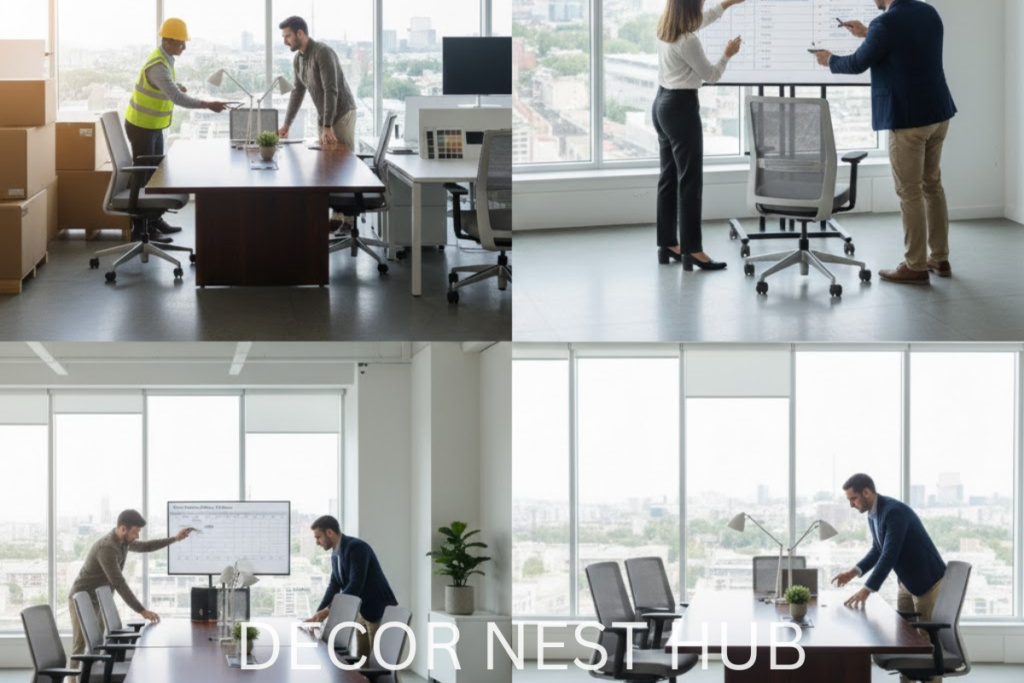
On-Site Quality Checks
Final inspections ensure everything meets expectations.
Final Installation and Project Handover
This is where vision becomes reality.
Installation Coordination
Skilled installers and clear schedules ensure smooth execution.
Final Snag Lists and Approvals
Minor issues are resolved before final sign-off.
The Future of FF&E Procurement
The industry is evolving fast.
Trends Shaping the Industry
Customization, sustainability, and digitalization are leading the charge.
Innovation and Customization
Clients want spaces that feel unique—and FF&E delivers that magic.
Conclusion
FF&E procurement is more than buying furniture—it’s a strategic process that shapes how spaces look, feel, and function. When done right, it brings designs to life, keeps budgets under control, and ensures projects open on time. Whether you’re working on a hotel, office, hospital, or home, mastering FF&E procurement is the key to turning empty rooms into meaningful experiences.
FAQs
1. What is included in FF&E procurement?
FF&E procurement includes sourcing, purchasing, delivering, and installing furniture, fixtures, and equipment for a project.
2. Why is FF&E procurement important?
It ensures the right products are delivered on time, within budget, and meet design and quality standards.
3. Who manages FF&E procurement?
Typically procurement specialists, working closely with designers, project managers, and clients.
4. How early should FF&E procurement start?
Ideally during the early design phase to avoid delays and budget issues.
5. Can FF&E procurement impact sustainability goals?
Yes, choosing eco-friendly materials and ethical suppliers significantly supports sustainable development.
Explore more by joining me on DecorNestHub