



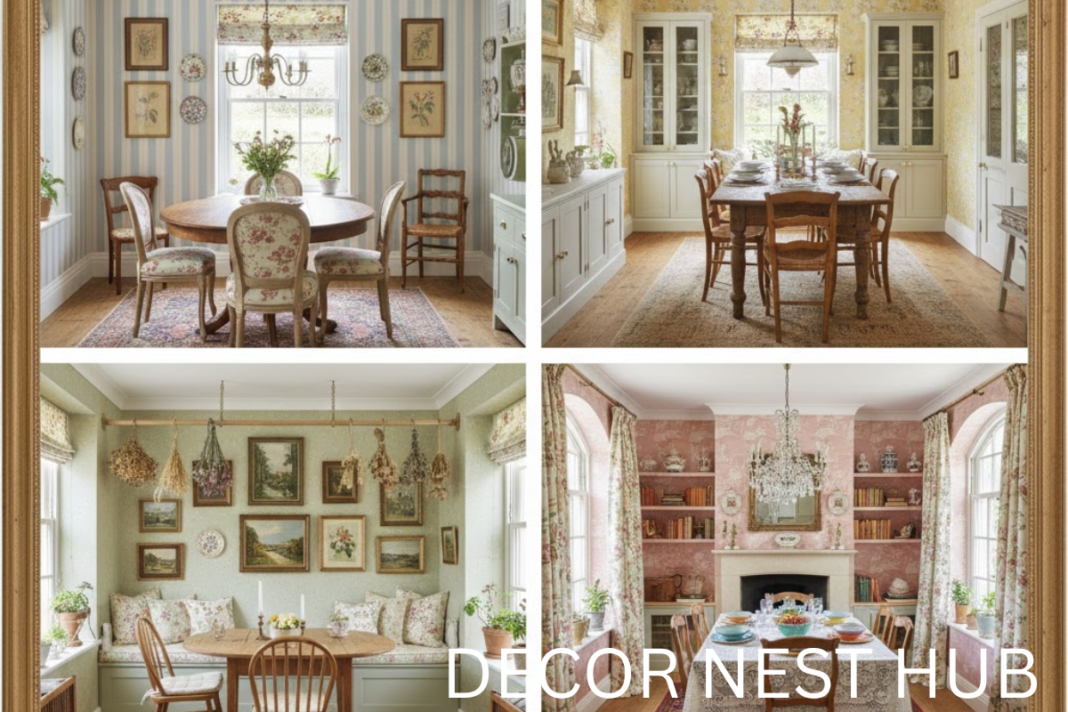
A grandmillennial dining room feels like Sunday dinners at grandma’s house—warm, welcoming, and full of stories—but with enough polish to suit today’s lifestyle. It’s the kind of space where conversations linger long after the plates are cleared. Cozy yet refined, nostalgic yet fresh, this design style blends tradition and modern living in the most charming way possible.
If you love spaces that feel personal instead of staged, the grandmillennial dining room might be your design soulmate.
What Is a Grandmillennial Dining Room?
The Meaning Behind the Grandmillennial Trend
The grandmillennial style celebrates classic design elements—antique furniture, floral patterns, rich textures—and reimagines them for contemporary homes. In a dining room, this means embracing tradition without sacrificing comfort or practicality.
Why This Style Feels So Inviting
There’s something deeply comforting about familiar details. A carved wooden table, a patterned rug, or a vintage chandelier instantly makes a room feel lived-in and loved.
Old-Soul Design for Modern Living
This style isn’t about recreating the past exactly. It’s about honoring it while making space for modern needs, like casual dining and flexible layouts.
Why the Grandmillennial Dining Room Is So Popular
A Return to Comfort and Tradition
After years of sleek, minimalist interiors, people are craving warmth and connection. The grandmillennial dining room offers that emotional comfort, like a handwritten letter in a world of text messages.
Emotional Design That Feels Like Home
It’s not just about how the room looks—it’s about how it feels. This style invites you to sit, relax, and stay awhile.
Essential Elements of a Grandmillennial Dining Room
Balance Between Vintage and New
The key is balance. Pair an antique table with modern chairs, or combine a traditional rug with contemporary artwork.
Collected, Not Decorated
A true grandmillennial dining room feels curated over time, not purchased in one shopping trip.
Choosing the Right Color Palette
Soft, Muted, and Timeless Colors
Think creamy whites, dusty blues, sage greens, warm taupes, and gentle blush tones. These colors soothe the eye and create a welcoming backdrop.
How to Layer Colors Gracefully
Start with neutral walls, then layer in color through rugs, curtains, and upholstered chairs.
Furniture That Defines the Space
Classic Dining Tables
A solid wood dining table is the heart of the room. It anchors the space and sets the tone.
Wooden, Pedestal, and Extendable Tables
Pedestal tables feel traditional and intimate, while extendable tables are perfect for hosting family gatherings.
Seating with Character
Mixing and Matching Chairs
Don’t be afraid to mix chair styles. It adds charm and makes the room feel relaxed rather than rigid.
Upholstered Chairs for Elegance
Fabric-covered chairs introduce softness and comfort, especially for long dinners.
Lighting That Creates Atmosphere
Chandeliers as Statement Pieces
A chandelier instantly elevates a dining room. Crystal, brass, or even a vintage-inspired fixture works beautifully.
Warm Lighting for Intimate Dinners
Soft, warm lighting creates an inviting ambiance that encourages conversation.
Wall Treatments That Add Depth
Wallpaper with Traditional Patterns
Florals, stripes, or damask patterns bring personality and a touch of nostalgia.
Wainscoting, Beadboard, and Paneling
These architectural details add texture and timeless appeal.
Flooring Choices That Feel Grounded
Hardwood and Area Rugs
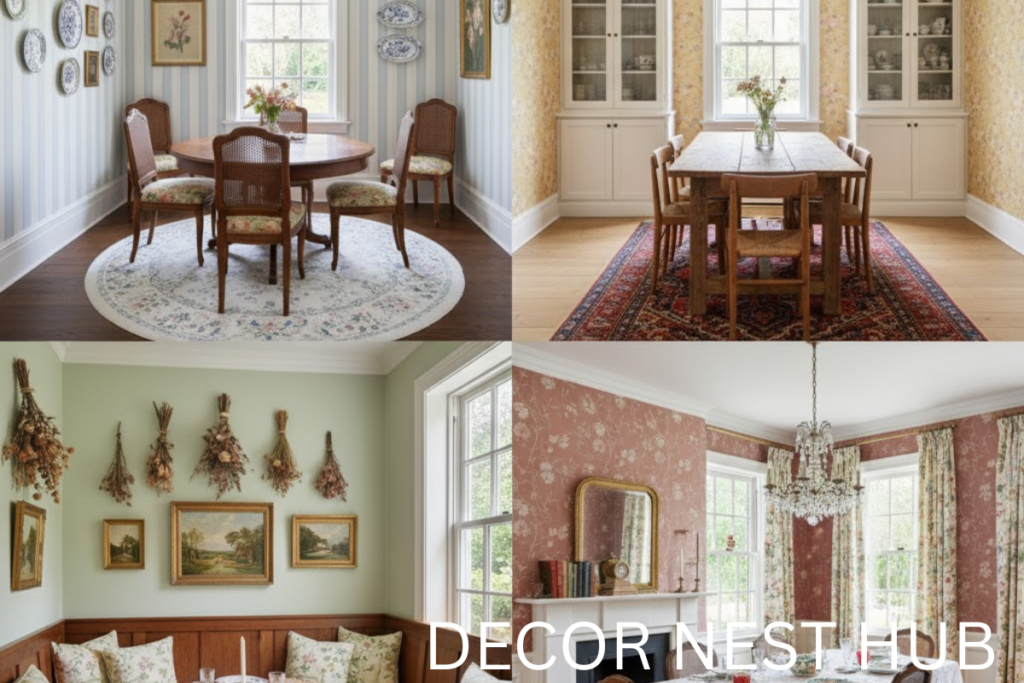
Hardwood floors paired with a patterned rug create warmth and define the dining area.
Vintage-Inspired Rugs
Persian-style or faded rugs add history and visual interest.
Window Treatments with Softness
Curtains, Drapes, and Roman Shades
Fabric window treatments soften the room and frame natural light beautifully.
Fabrics That Enhance the Mood
Linen, cotton, and subtle prints work best for this style.
Table Settings and Linens
Tablecloths, Runners, and Placemats
Textiles bring charm to everyday meals, not just special occasions.
Layering Textiles Like a Pro
Layering a runner over a tablecloth adds depth and interest.
Decorative Accessories That Tell a Story
Displaying China, Artwork, and Antiques
Family heirlooms, framed art, or vintage serving pieces make the room personal.
Meaningful Over Perfect
Imperfection adds character. Let your space reflect real life.
Storage and Display Solutions
Buffets, Sideboards, and Hutches
These pieces offer storage while acting as beautiful focal points.
Blending Beauty with Function
Use storage to display items you love, not just hide clutter.
Mixing Modern Touches into a Traditional Space
Keeping the Room Fresh and Livable
Modern art, sleek chairs, or minimalist accessories prevent the room from feeling dated.
Avoiding an Overly Formal Look
Comfort is key. A grandmillennial dining room should feel welcoming, not stuffy.
Budget-Friendly Grandmillennial Dining Room Ideas
Thrifted and Secondhand Finds
Thrift stores and flea markets are treasure troves for this style.
Affordable Updates with Big Impact
New lighting, paint, or textiles can completely transform the space.
Common Mistakes to Avoid
Overcrowding the Room
Too many pieces can make the room feel heavy. Edit thoughtfully.
Ignoring Comfort and Practicality
Style should never come at the cost of comfort.
Is a Grandmillennial Dining Room Right for You?
Personality, Lifestyle, and Design Preferences
If you value tradition, warmth, and meaningful details, this style will feel like home.
Conclusion
The grandmillennial dining room is a beautiful blend of past and present. It celebrates tradition while embracing modern comfort, creating a space that feels timeless, personal, and inviting. Whether you’re hosting holiday dinners or enjoying everyday meals, this style turns your dining room into a place where memories are made and stories are shared.
FAQs
1. What makes a dining room grandmillennial?
A mix of traditional design elements, vintage touches, and modern comfort defines this style.
2. Can I use modern furniture in a grandmillennial dining room?
Yes, blending modern pieces with classic ones keeps the space fresh.
3. Are patterns necessary in this style?
Patterns help, but they’re optional. Subtle textures can work just as well.
4. Is this style suitable for small dining rooms?
Absolutely. Light colors and smart furniture choices make it work beautifully.
5. How do I keep the room from looking outdated?
Balance vintage details with modern lighting, art, or accessories.
See our Recent Post: Decor Nest Hub